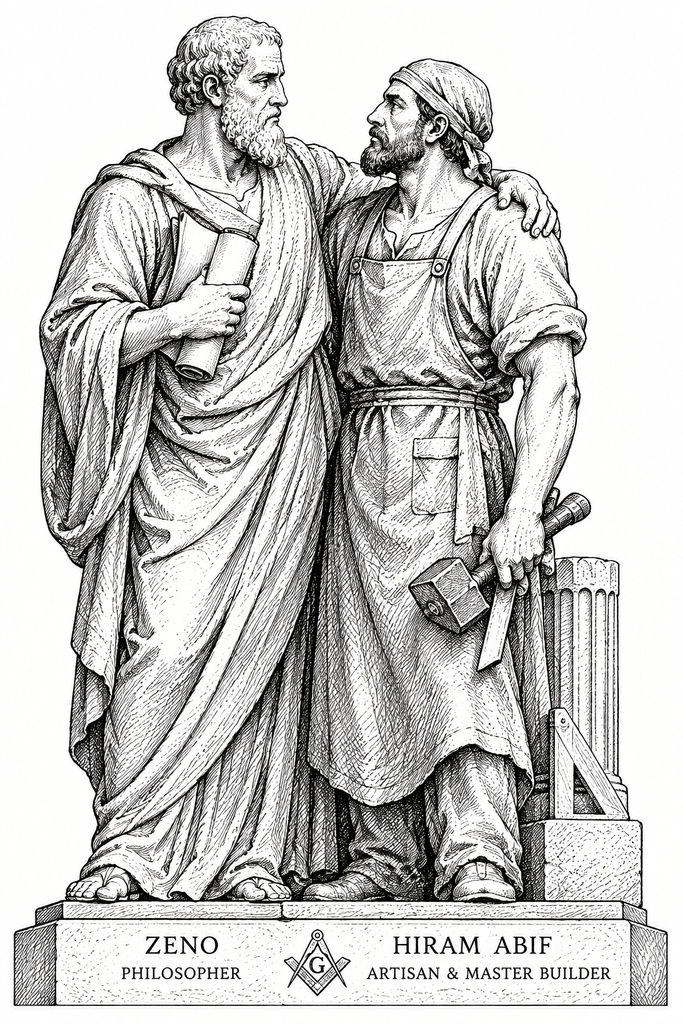
Stoicism and Freemasonry
In the lecture below, we explore the Stoic principles like; virtue, resilience and inner peace, offering practical insights for today’s life challenges. Learn how these timeless teachings dovetail with masonic enlightenment and foster personal growth, ethical conduct and emotional stability.
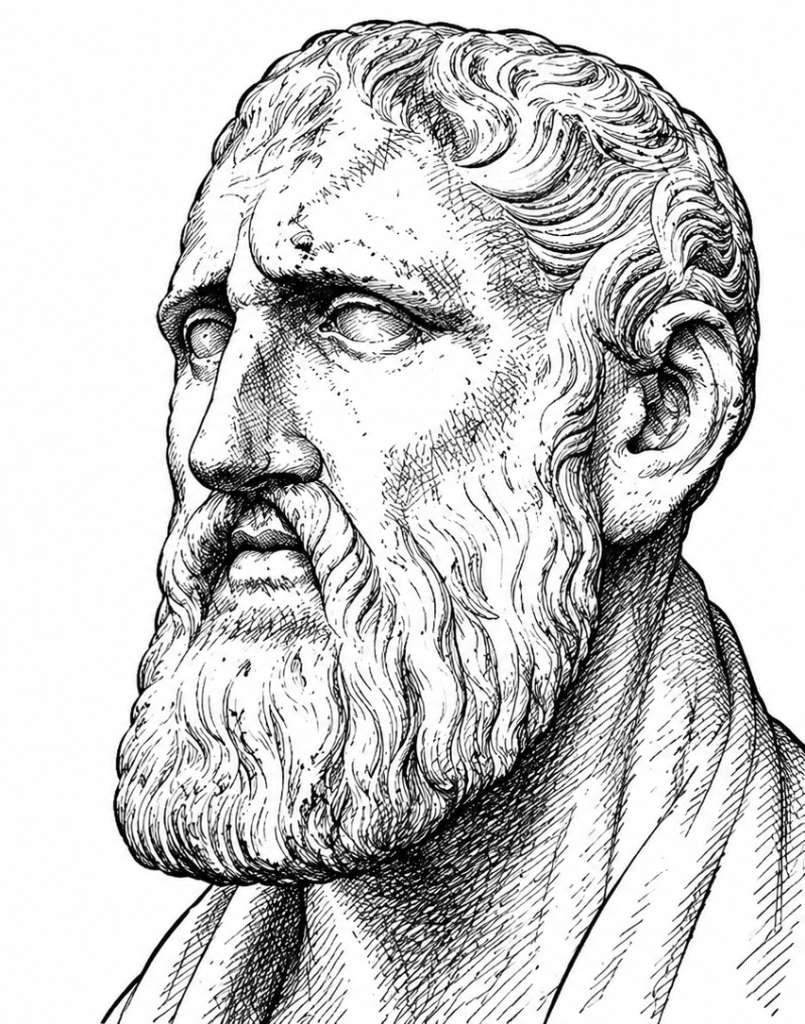
Zeno of Citium was an ancient Greek philosopher born around 334 BCE in Citium, Cyprus. He is best known as the founder of Stoicism, a philosophical school that became one of the most influential in the Hellenistic and Roman periods.
Zeno belonged to a prosperous merchant family and was likely well-educated in various subjects, including philosophy. However, Zeno’s life took a significant turn when he suffered a shipwreck, resulting in the loss of his cargo and personal belongings rendering him poor and penniless but educated and philosophical. Following this significant event, he moved to Athens, where he began to study philosophy under various teachers, including Crates of Thebes, a Cynic philosopher.
Zeno’s philosophical journey eventually led him to develop his own school of thought, which came to be known as Stoicism. He began teaching in the Stoa Poikile or Painted Stoa, a public colonnade in Athens, from which the Stoic school derived its name. Zeno’s teachings attracted many followers and his school became one of the most influential philosophical movements in the Hellenistic world.
Zeno’s lifestyle as a philosopher was characterized by simplicity, self-discipline and devotion to his philosophical principles. His teachings emphasized living in accordance with nature, cultivating virtue and achieving inner peace through self-control and rationality.
He taught in Athens, where he attracted many followers and his ideas laid the foundation for Stoic philosophy as it developed through later figures such as Epictetus, Seneca and later Marcus Aurelius.
The basis of Stoicism is rooted in several fundamental principles and teachings:
Nature: Stoics believed in living in accordance with nature, which they saw as rational and orderly. This involves accepting the natural order of the universe and recognizing one’s place within it.
Virtue: Virtues, particularly wisdom, courage, justice and temperance, are central to Stoic ethics. Stoics believe that cultivating virtuous character traits leads to a life both flourishing and fulfilment.
Control: Focus on what is within one’s control and accept what is not. This involves distinguishing between things we can change (our thoughts, actions and attitudes) and things we cannot (external events, other people’s actions).
Acceptance: This teaches acceptance of external events, recognizing that while we cannot control what happens to us, we can control our responses and attitudes toward those events. This leads to greater resilience and inner peace.
Endurance and Resilience: Stoicism advocates for enduring hardship with courage and resilience, viewing challenges as opportunities for growth and learning rather than as obstacles to happiness.
Mindfulness and Attention: Stoics practised mindfulness and self-awareness, striving to live in the present moment and to pay attention to their thoughts, judgments and impulses. This helps in maintaining control over one’s reactions and emotions.
Indifference to External Goods: Stoics believed in valuing inner virtues over external goods such as wealth, fame, or social status. While not rejecting these externals entirely, the Stoics advocated for a mindset of indifference towards them, recognizing that they do not guarantee happiness or fulfilment.
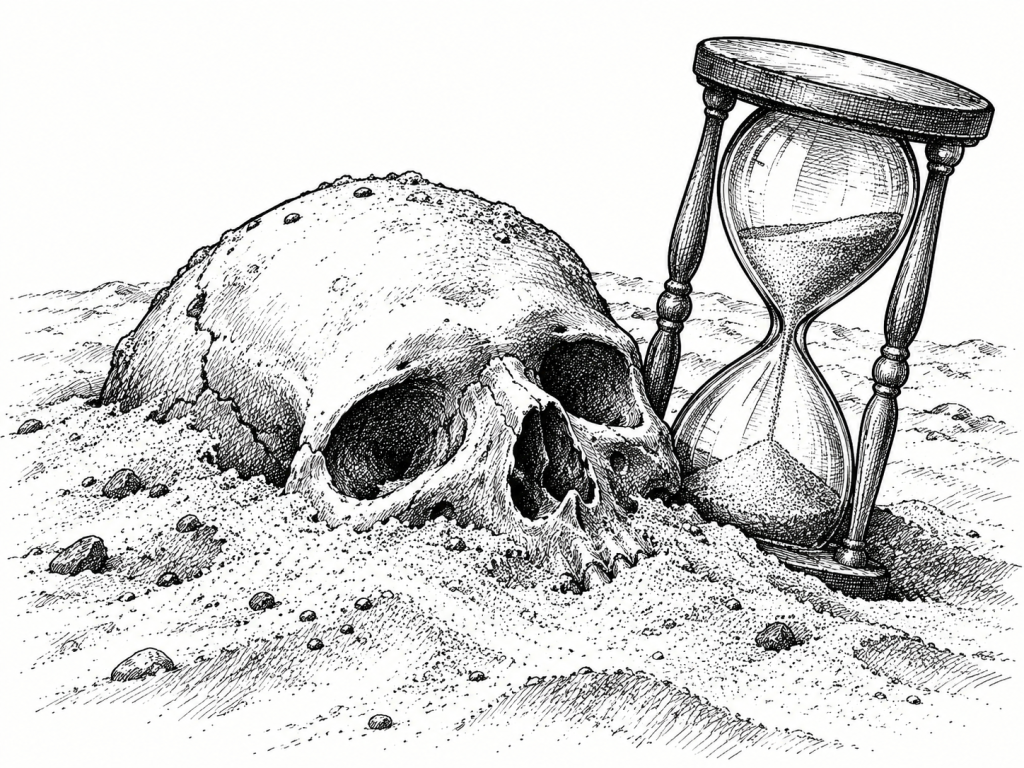
These principles form the foundation of Stoic philosophy and provide a framework for living a life of wisdom, virtue and inner peace amidst the challenges of the world. A popular quote that has come from the Stoic school is “Memento mori” which is a Latin phrase that translates to “Remember that you must die.” It serves as a reminder of the inevitability of death and the transient nature of life.
In Stoic philosophy, “Memento Mori” encourages individuals to reflect on their mortality, appreciate the present moment and live a virtuous life in preparation for death. It serves as a call to prioritize what truly matters and to make the most of the time we have a lesson central to the teachings of our own third degree.
In Freemasonry, the interpretation of “Memento Mori” aligns with its own emphasis on morality, spirituality and the pursuit of enlightenment. While Freemasonry does not have a singular interpretation of the phrase, “Memento Mori” is often understood within the context of its symbolic teachings and rituals as serving as a reminder of the impermanence of life, the importance of preparing for one’s eventual death, reflecting on mortality, living virtuously and making the most of our time upon this mortal coil.
It also reinforces the Masonic emphasis on the importance of moral and spiritual self-improvement, as enlightened Freemasons strive to cultivate inner virtues and lead meaningful lives in the service of others.
Moreover, “Memento Mori” can be interpreted as a reminder of the higher Masonic teachings about the immortality of the soul and the belief in a higher spiritual reality beyond physical existence.
Overall, “Memento Mori” in Freemasonry serves as a philosophical and spiritual reminder of the transient nature of life, the importance of moral conduct and the pursuit of spiritual enlightenment. It encourages Freemasons to live with purpose, integrity and a commitment to personal and moral growth.
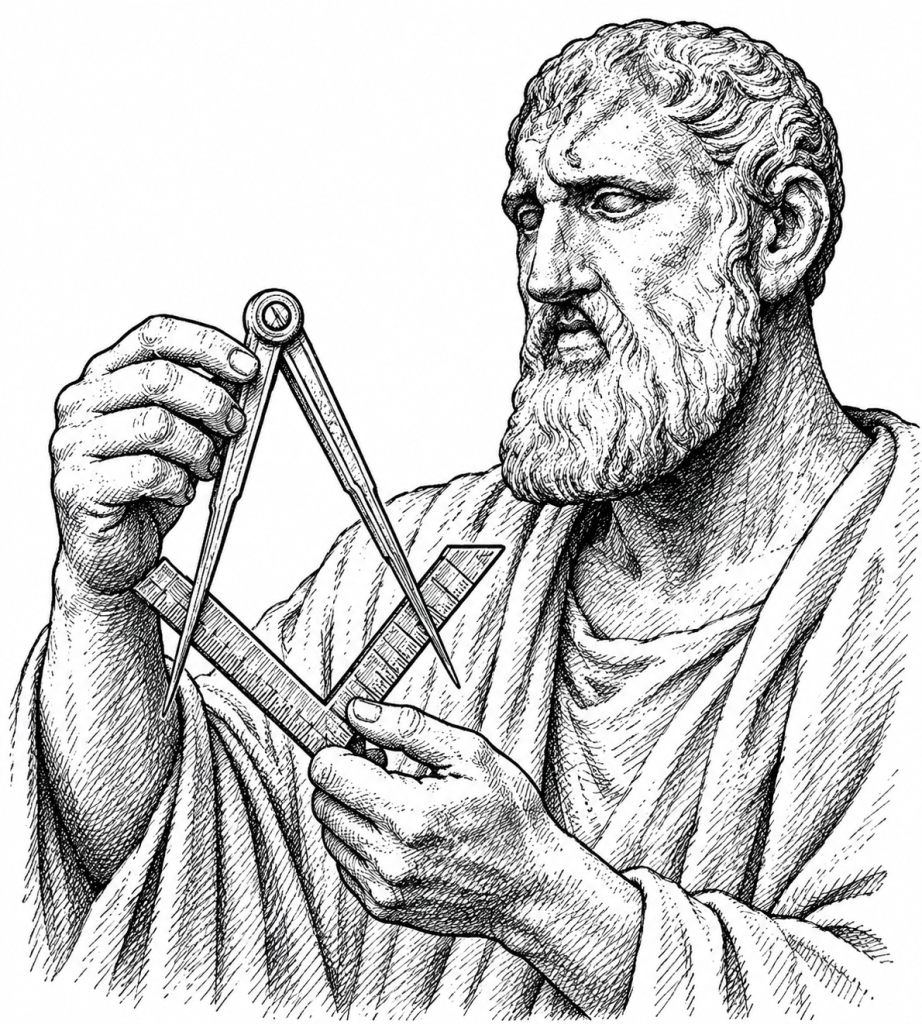
The relationship between Stoicism and Masonic philosophy
While Freemasonry does not explicitly align itself with any particular philosophical system, including Stoicism, some notable connections and influences can be observed. Freemasonry incorporates elements of various philosophical traditions; including the Stoic principles such as the pursuit of virtue, self-discipline and the cultivation of inner peace which all resonate with the moral and ethical lessons found within Masonic teachings.
Both Stoicism and Freemasonry emphasize the importance of ethical conduct and moral virtue. Freemasonry teaches its members to uphold principles of brotherly love, relief and truth, which align with Stoic ideals of justice, compassion and integrity.
The practices, such as mindfulness, self-examination and the development of resilience, can be seen as complementary to the rituals and ceremonies of Freemasonry. Both systems provide tools and frameworks for personal growth and self-improvement.
So, how were these parallels formed? Freemasonry emerged during the Enlightenment period, a time when Stoic ideas experienced a revival and influenced various aspects of developing Western philosophy.
While Freemasonry draws on a diverse range of philosophical and religious traditions, Stoicism likely contributed to the intellectual milieu of the time and seems to have influenced the development of Masonic principles.
Although ingrained within its teachings, abidance of these Stoic principals have not been enforced and this is perhaps why Freemasonry has flourished throughout the ages. While some Masons may resonate with Stoic teachings and incorporate them into their Masonic practice, others are free to draw upon different philosophical traditions or spiritual beliefs.
Stoicism in the third Millenium
Brethren, We live in a time with a stressful and challenging daily life, between work, international events such as wars, pandemics, social competition, big economic changes and new “philosophical” schools, or ways of thinking that may challenge your path daily, so, how does Stoicism could influence our modern way of life?

Stoicism influences modern life in several ways: First, is the development of Resilience in Adversity, Stoicism teaches individuals to accept and adapt to adversity, focusing on what is within their control and maintaining inner peace amidst challenges. In these times of accelerating technological change, alternating governmental policy and world disorder, all matters beyond our personal control, this is perhaps the only way to fully achieve personal satisfaction and inner peace.
In modern life, this mindset can help people navigate setbacks, stress and uncertainty with greater resilience and emotional stability.
The Focus on Virtue, as we learned, Stoicism emphasizes the importance of cultivating virtue and moral character. In today’s world, this can translate into making ethical decisions, acting with integrity and prioritizing values such as honesty, kindness and compassion in personal and professional life.
Practices such as mindfulness and self-awareness can help individuals cultivate a greater sense of presence and purpose in their daily lives.
By paying attention to our thoughts, emotions and actions, people can develop a deeper understanding of themselves and make intentional choices aligned with their values and this enables to emotional regulation; Stoicism teaches techniques for managing emotions and maintaining equanimity in the face of challenges.

In modern life, where stress, anxiety and anger are common, Stoic practices can help individuals regulate their emotions, respond thoughtfully rather than react impulsively and maintain a sense of calm amidst turmoil and also encourages individuals to cultivate gratitude for what they have and to maintain perspective on life’s ups and downs.
This mindset shift can lead to greater contentment, resilience and a focus on what truly matters in life, rather than being consumed by material desires or external achievements.
Last but not least, Acceptance of Impermanence, Stoicism teaches acceptance of the impermanence of life and the inevitability of change.
In modern society, where people often struggle with uncertainty and fear of the unknown, Stoic philosophy offers a perspective that fosters peace of mind and adaptability to life’s inevitable flux.
Overall, Stoicism offers practical tools and timeless wisdom that can help individuals lead more fulfilling, meaningful and resilient lives in the complexities of the modern world.
By embracing Stoic principles and practices, people can cultivate greater self-awareness, emotional resilience and moral virtue, ultimately leading to a life of greater inner peace and flourishing.

However, as comfortable as it might sound now, Stoicism in today’s society is NOT a panacea (a fix all).
The truth is that the Stoic way of life could never completely be adopted within modern society and if you decided to embrace Stoic philosophy you should expect some difficulties:
Emotional Dicipline
Firstly, Stoicism advocates for emotional control and the suppression of negative emotions such as fear and anger. However, modern society seems to encourage emotional expression and authenticity, which may sometimes conflict with Stoic ideals of emotional restraint.
Material Desires
Also, Stoicism teaches indifference to external goods and emphasizes inner virtue over material possessions. In modern consumerist societies, where status and success are often equated with monetary and material wealth, the Stoic values of simplicity and detachment from material desires may be challenging to uphold.
Self-Reliance
Another important aspect is modern Social Expectations and Norms. Stoicism encourages individuals to focus on what is within their control and to be indifferent to external judgments and opinions. However, modern society places significant emphasis on social validation, peer pressure and conformity to societal norms, which directly conflict with Stoic ideals of self-reliance and independence.
Goal Pursuit

In modern society, where success is often equated with ambition, competition and achievement, Stoic teachings on acceptance and detachment seem to be generally at odds with societal expectations of the relentless pursuit of goals.
While Stoicism promotes the pursuit of excellence and virtue within one’s own endeavours, it also emphasizes acceptance of outcomes beyond one’s control.
Stoicism encourages self-sufficiency and distancing from external attachments, which conflict with the growing importance of intimacy, demonstration of vulnerability and the maintenance of emotional connection in modern interpersonal relationships. Balancing the Stoic principles of self-reliance with the need for intimacy and emotional support is challenging in modern society.
Overall, while Stoicism offers timeless wisdom and practical guidance for navigating life’s challenges, its emphasis on emotional control, indifference to external goods and self-reliance rarely aligns with many aspects of modern society that prioritize emotional expression, material success, social validation, endless equality balancing, minority group rights and intimate relationships.
However, many individuals find value in applying Stoic principles to their own lives, recognizing that while society may change, the quest for inner peace, virtue and meaning remains timeless.