
The relationship between Freemasonry and the Catholic Church is often related to as one of on going conflict. To understand why some argue that Masonry is not inherently against Church teachings and why the Catholic Church has historically disagreed, we have to look past the “secret society” tropes and examine the core philosophies of both:
We Freemasons know, that at its heart, Freemasonry is a fraternal organization focused largely on moral self-improvement and charity. It uses the tools of stone masonry (the square, the compass, the level) as metaphors for building a more virtuous character.
Those who argue that Masonry aligns with Church teachings usually point to these shared pillars:
A belief in a Supreme Being: A “Great Architect of the Universe” is a prerequisite for membership. For a Catholic Mason, this is God.
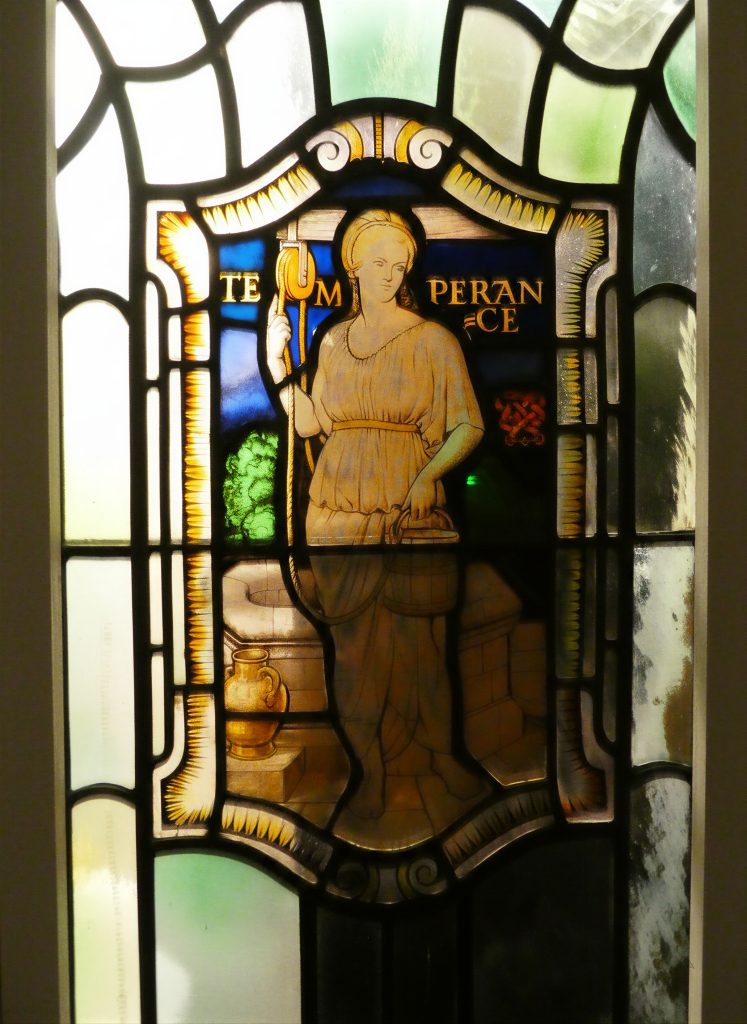
The Pursuit of Virtue: Both institutions encourage the “tempering” of passions and the practice (along with Charity) of cardinal virtues: Prudence, Justice, Fortitude, and Temperance.
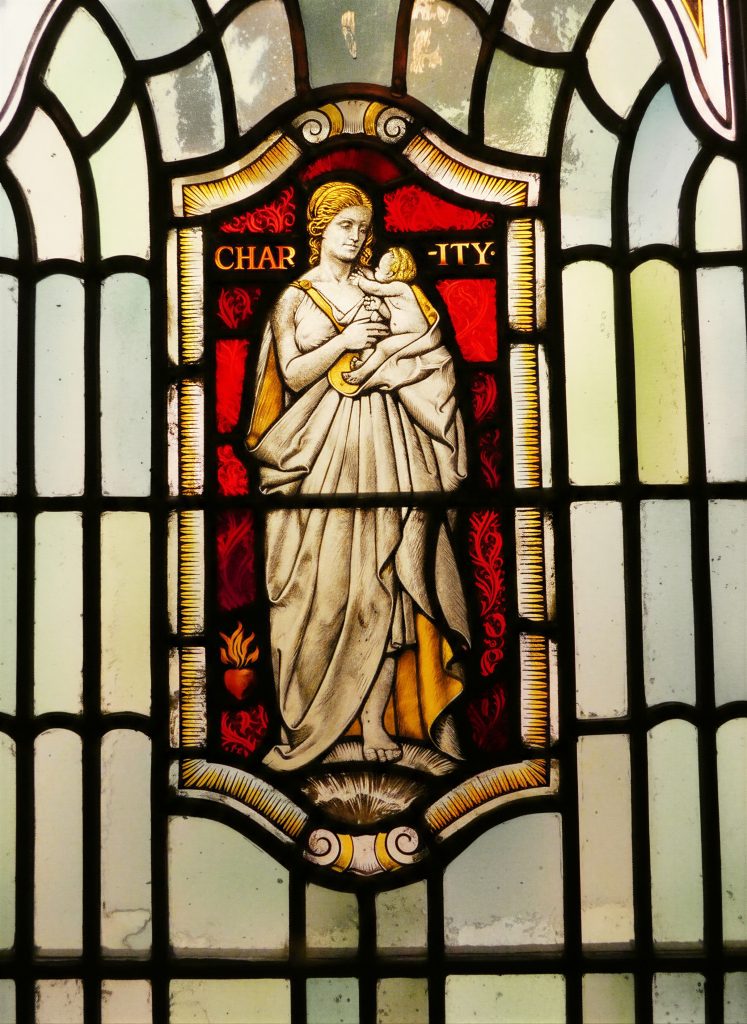
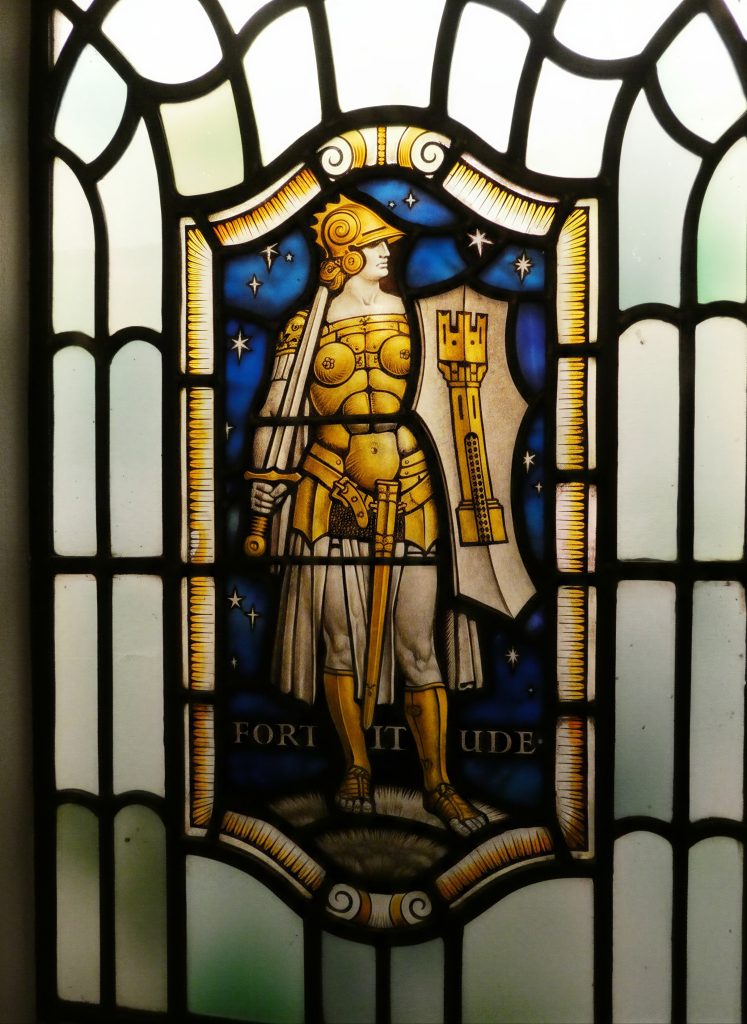
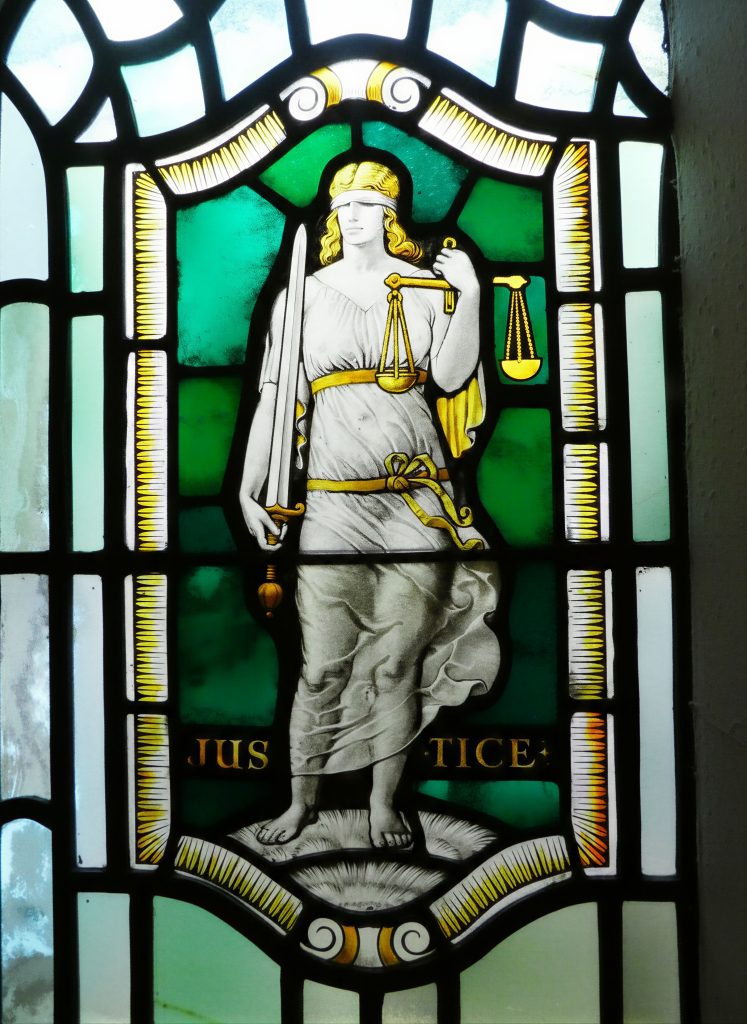
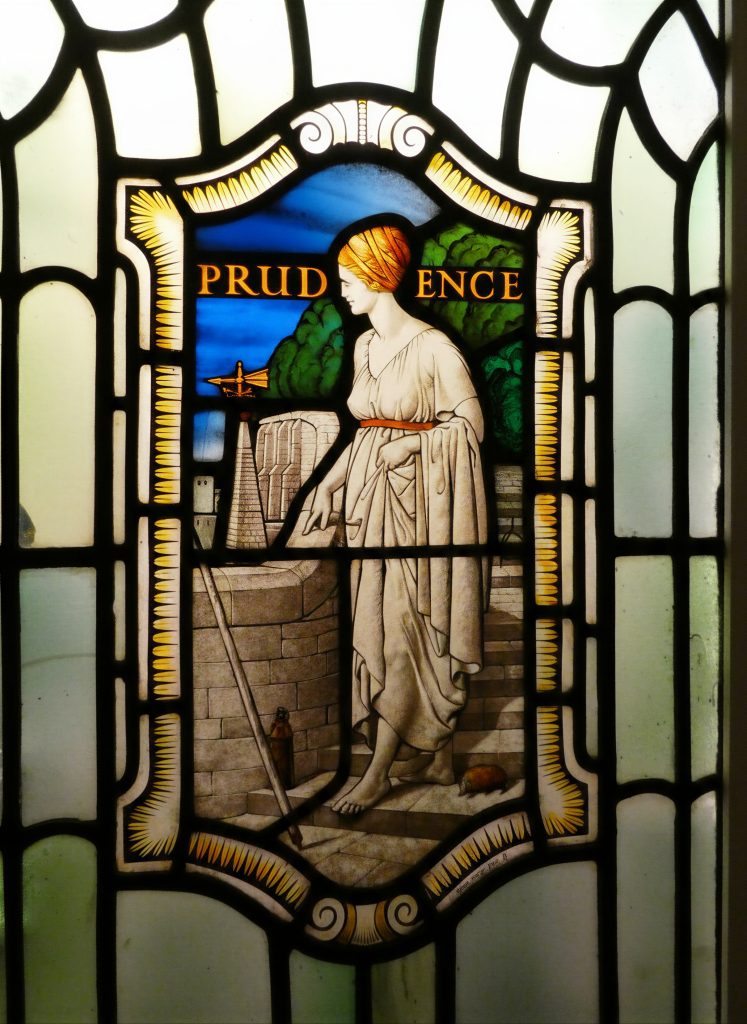
Charity (Philanthropy): Masons are well-known for their great charitable works, which mirrors the Christian call to serve the poor and the marginalized.
Proponents of Catholic Masonry argue that Masonry is a secular craft, not a religion. From this perspective:
There are no Rival Altars: Masonry does not offer sacraments or a path to salvation. It offers a moral framework for life on earth.
Religious Freedom: Post-Vatican II (1962-1965), the Church has placed a higher emphasis on the “right to association” and dialogue with the modern world.
The 1983 Code Confusion: When the Code of Canon Law was revised in 1983, the explicit mention of “Masons” was removed and replaced with a general ban on “. . . societies that plot against the Church.” Many interpreted this as a softening of the stance, provided the specific lodge isn’t anti-clerical.
While history has certainly witnessed its share of friction between the two institutions, Freemasonry is fundamentally designed to complement, rather than oppose, an individual’s religious life. The organization operates as a secular fraternal order focused on moral self-improvement and charitable works, explicitly prohibiting the discussion of sectarian theology or politics within its lodges to maintain harmony among diverse members.
Far from being an “anti-church,” Freemasonry requires its members to profess a belief in a Supreme Being, often referred to symbolically as the “Great Architect of the Universe,” which encourages a brother to be more steadfast in his own chosen faith. Many modern Masonic jurisdictions maintain friendly relations with various denominations, viewing the lodge as a “middle chamber” where men of different spiritual backgrounds can unite under shared ethical values like brotherly love, relief, and truth.
The recent three centuries of tension and misunderstanding
Few historical relationships have been as long, as complex, and as surrounded by myth as the one between the Catholic Church and Freemasonry. From the eighteenth century well into the twentieth, the two institutions found themselves in recurring conflict, not through a single dramatic clash, but through a long sequence of papal statements, political disputes, and cultural misunderstandings. Even today, the topic often generates more speculation than clarity.
The first formal intervention came in 1738, only twenty years after the birth of modern Freemasonry in London. Pope Clement XII issued the bull In Eminenti Apostolatus, prohibiting Catholics from joining Masonic lodges under penalty of automatic excommunication. The reasons given were straightforward: the secrecy of Masonic oaths conflicted with the Church’s expectation of transparency from its members, and the practice of welcoming Catholics and Protestants as equals challenged a Church still deeply committed to religious unity. At this early stage, the Church did not accuse Freemasonry of occult practices or conspiracy; it simply viewed it as an independent society operating outside ecclesiastical oversight.
This position was reaffirmed in 1751 by Benedict XIV in the bull Providas. Yet enforcement varied widely. In some Catholic regions the ban was taken seriously, while in others, especially where local elites were active in lodges, civil authorities largely ignored it. This gap between Rome’s official stance and local practice would remain a recurring feature of the relationship.
Tensions grew significantly in the nineteenth century. Across Europe and Latin America, many Masonic groups aligned themselves with liberal and anticlerical movements seeking to limit the Church’s political and economic influence. In Italy, key figures of the Risorgimento belonged to Masonic lodges and viewed the Papal States as an obstacle to national unity. Unsurprisingly, the Church interpreted these developments not merely as doctrinal disagreements but as existential threats.
A similar dynamic unfolded in Latin America. Leaders such as Benito Juárez, who promoted reforms reducing ecclesiastical privileges, were associated with Freemasonry. This reinforced the perception, sometimes accurate, sometimes exaggerated, that Masonry and anticlericalism were intertwined. In response, Pope Pius IX issued the Syllabus of Errors in 1864, condemning liberalism, rationalism, and secret societies as expressions of a worldview incompatible with Catholic teaching.
The most comprehensive papal statement came in 1884, when Leo XIII published the encyclical Humanum Genus. Here, the conflict was framed not simply around secrecy or mixed religious membership, but around competing visions of society. The encyclical described Freemasonry as promoting a “naturalist” philosophy that sought to base morality and social order solely on human reason rather than divine revelation.
It is important to distinguish the encyclical itself from the sensational myths that later grew around it. Leo XIII did not accuse Freemasons of satanic rituals, claims popularized by writers like Leo Taxil, who later admitted his stories were fabricated. Humanum Genus was a work of political and philosophical critique, not an endorsement of conspiracy theories.
The Church’s formal prohibition remained in place throughout the twentieth century. The 1917 Code of Canon Law explicitly listed Freemasonry among associations that incurred automatic excommunication. In 1983, after the Second Vatican Council, the new Code removed the explicit reference to Freemasonry, speaking instead of organizations acting against the Church. This created brief confusion, which was quickly resolved when Cardinal Joseph Ratzinger, later Pope Benedict XVI, clarified that the Church’s negative judgment of Masonic associations remained unchanged.
When viewed in its entirety, the long conflict between the Church and Freemasonry was not the secret struggle for world domination that popular imagination often suggests. Rather, it was the prolonged encounter between two universalist projects: a Church that understood truth as revealed and binding for all humanity, and a fraternity that sought to build human unity on the basis of shared reason, leaving matters of faith to individual conscience.
Three centuries of bulls, encyclicals, and disciplinary measures tell a story not of hidden conspiracies, but of two different ways of imagining how humanity might come together, and of the ongoing challenge of allowing these visions to coexist without either claiming exclusive ownership of truth.
