
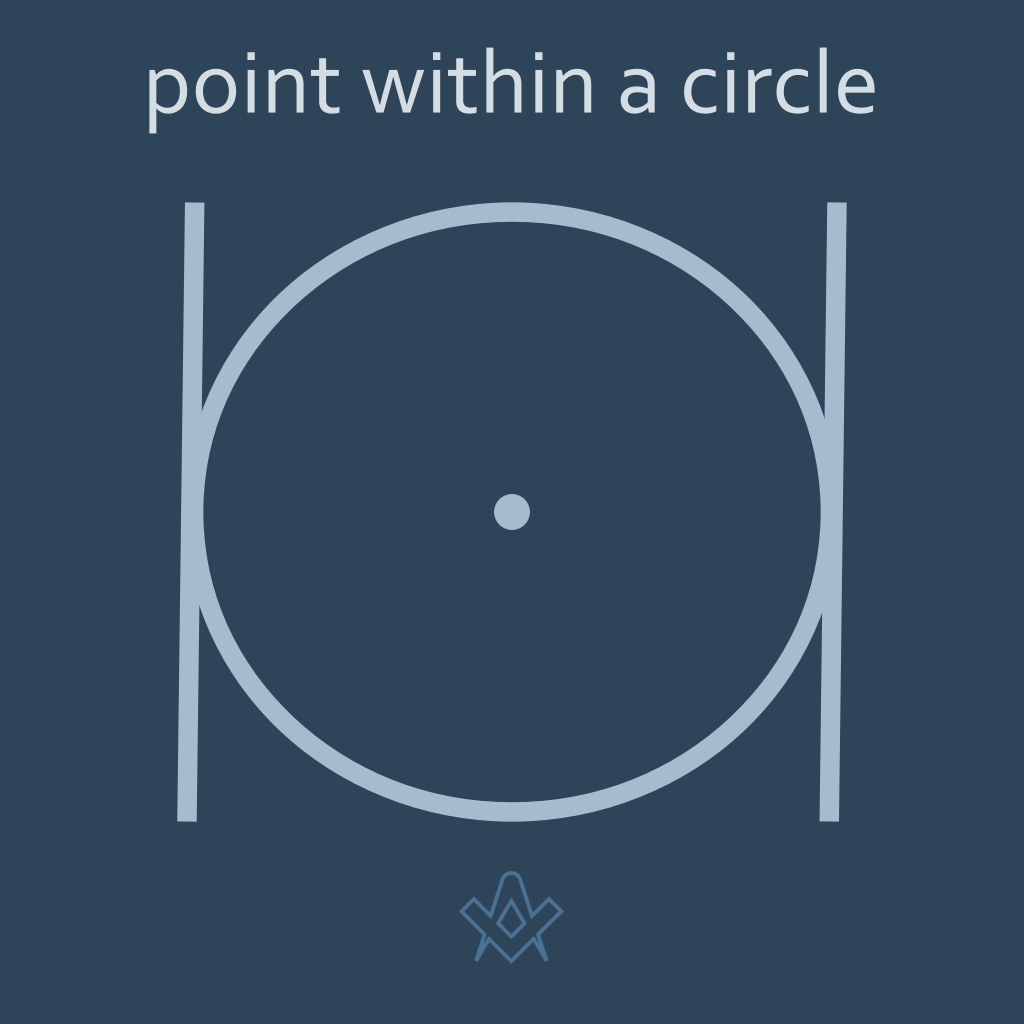
Older than Masonry itself and deeper than most realize, the words “A Point Within a Circle” didn’t begin in a Lodge room.
Long before Freemasonry ever adopted it, this symbol appeared across the ancient world as a way to explain order, creation, and man’s place within it:
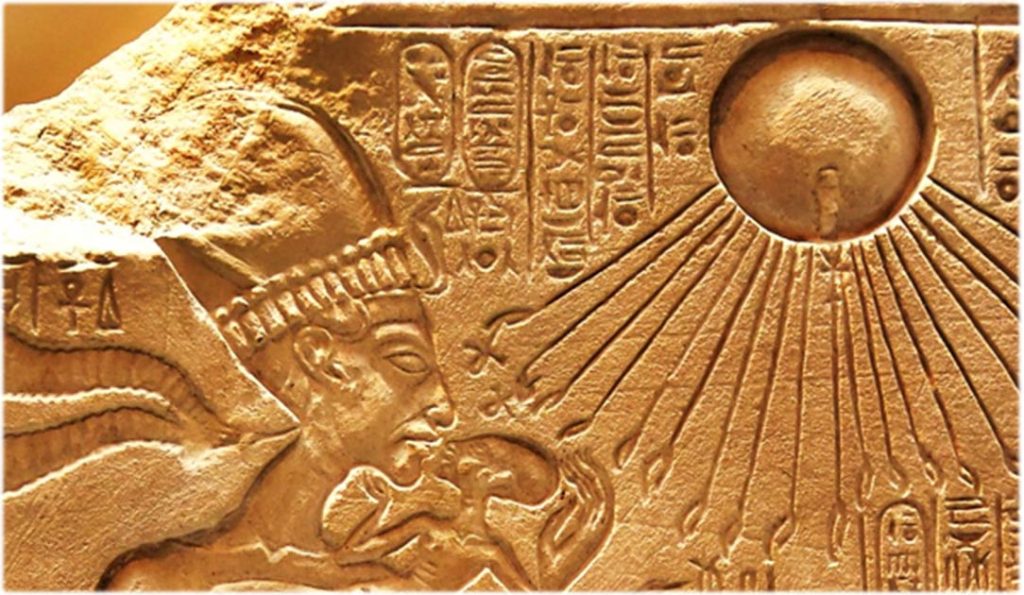
EGYPT
In ancient Egypt, it symbolized the Creator surrounded by creation, power and wisdom contained within defined bounds.
INDIA
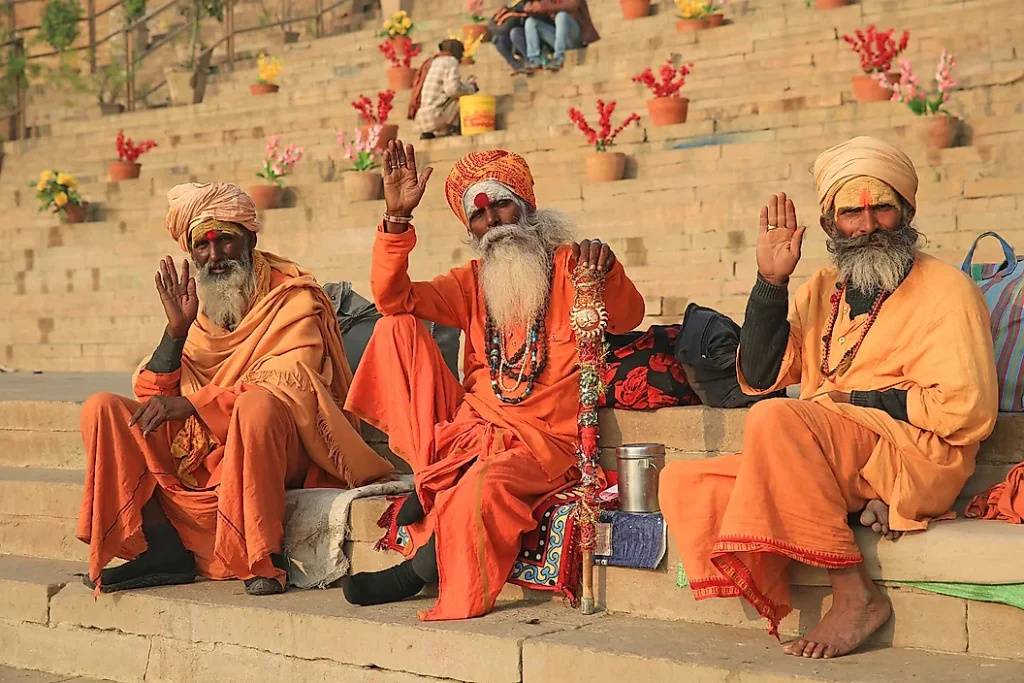
In India, its history reaches back beyond calculation, representing the sun and the cosmic whole.
GREECE
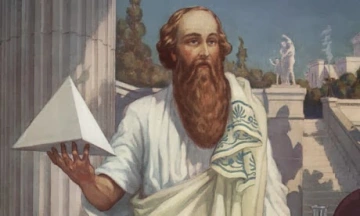
To the Greeks and Pythagoreans, it was the Monad, the Absolute.
GNOSTICS
In Gnostic thought, the primal source.

STOICS
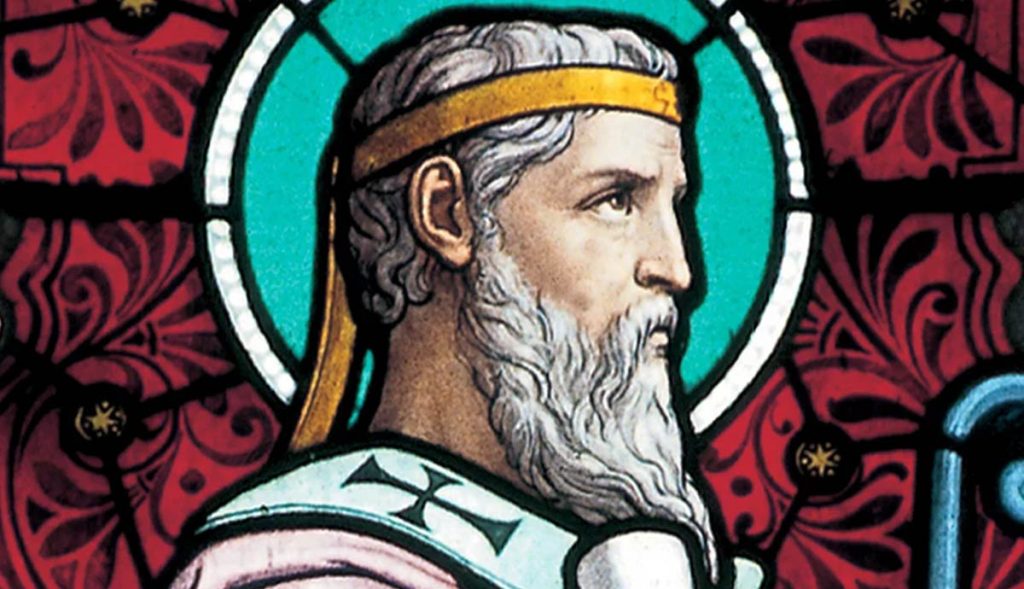
In Stoicism, the harmony of logic, ethics, and nature.
PSYCHOLOGISTS
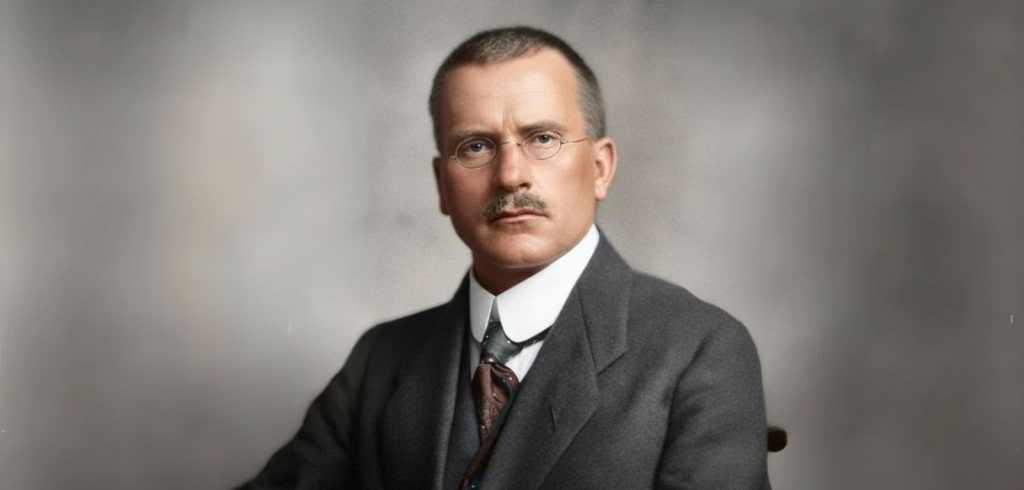
Even in modern psychology, Jung described it as the ego (the point) within the Self (the whole).
Across cultures, the lesson stayed the same: “Something central, restrained, and ordered, surrounded by proper bounds.”
When Freemasonry adopted the symbol, it didn’t invent it,
It refined it.
We added meaning rooted in morality and conduct:
The point as the individual Brother.
The circle as the boundary of duty to God and man.
The two parallel lines as moral guides,
traditionally represented by the Saints John.
The old solar and cosmic meanings didn’t disappear – they were elevated.
The lodge itself represents the universe.
The Master and Wardens reflect the sun in its stations.
The symbol reminds us that man must remain centered, measured, and humble.
Yes, ancient mysteries used this imagery to describe creation and generative power.
Yes, stone circles, from Egypt to India, from Druids to Scandinavia carried the same form.
But Freemasonry does not worship symbols. We use them.
Not to inflate the ego.
Not to chase hidden power.
But to teach restraint, balance, and responsibility.
The lesson is simple and timeless:
Stay centered.
Know your bounds.
Live within your obligations.
Because a man without limits becomes dangerous and a Mason without humility forgets why he was brought to light in the first place.
