
The relationship between Freemasonry and the Catholic Church is often related to as one of on going conflict. To understand why some argue that Masonry is not inherently against Church teachings and why the Catholic Church has historically disagreed, we have to look past the “secret society” tropes and examine the core philosophies of both:
We Freemasons know, that at its heart, Freemasonry is a fraternal organization focused largely on moral self-improvement and charity. It uses the tools of stone masonry (the square, the compass, the level) as metaphors for building a more virtuous character.
Those who argue that Masonry aligns with Church teachings usually point to these shared pillars:
A belief in a Supreme Being: A “Great Architect of the Universe” is a prerequisite for membership. For a Catholic Mason, this is God.
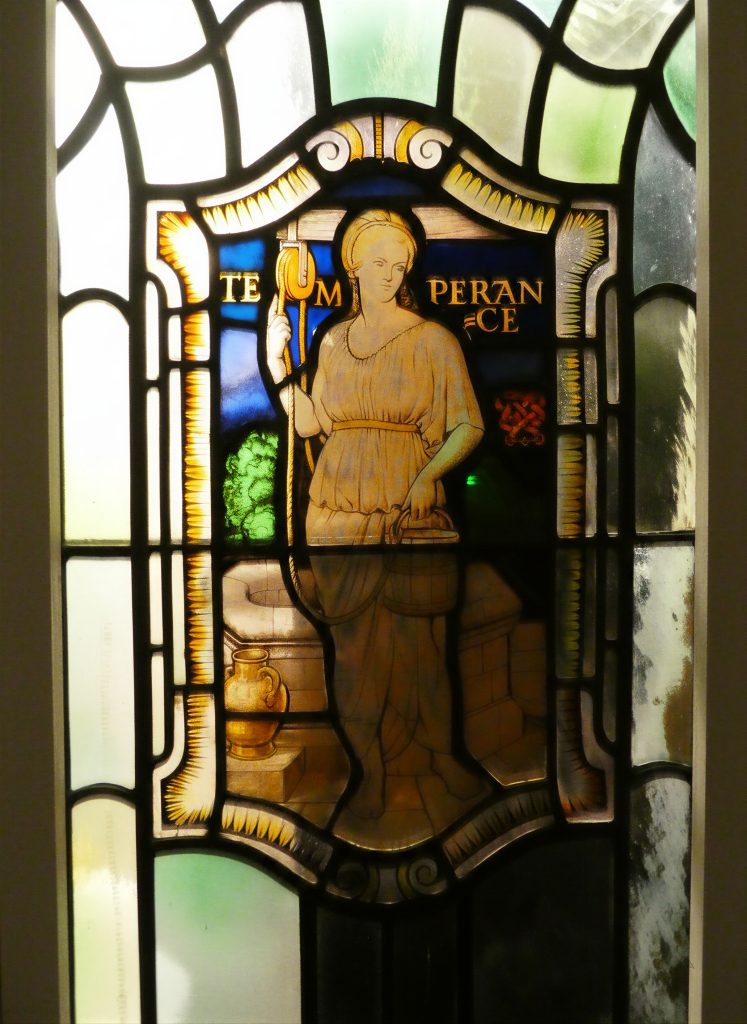
The Pursuit of Virtue: Both institutions encourage the “tempering” of passions and the practice (along with Charity) of cardinal virtues: Prudence, Justice, Fortitude, and Temperance.
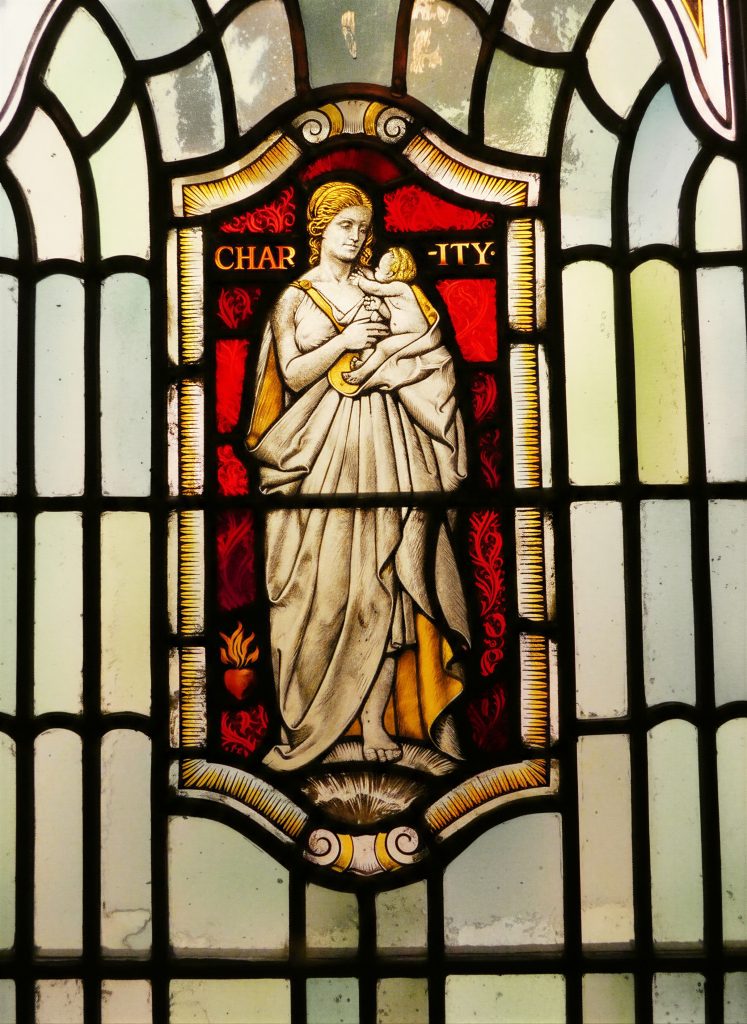
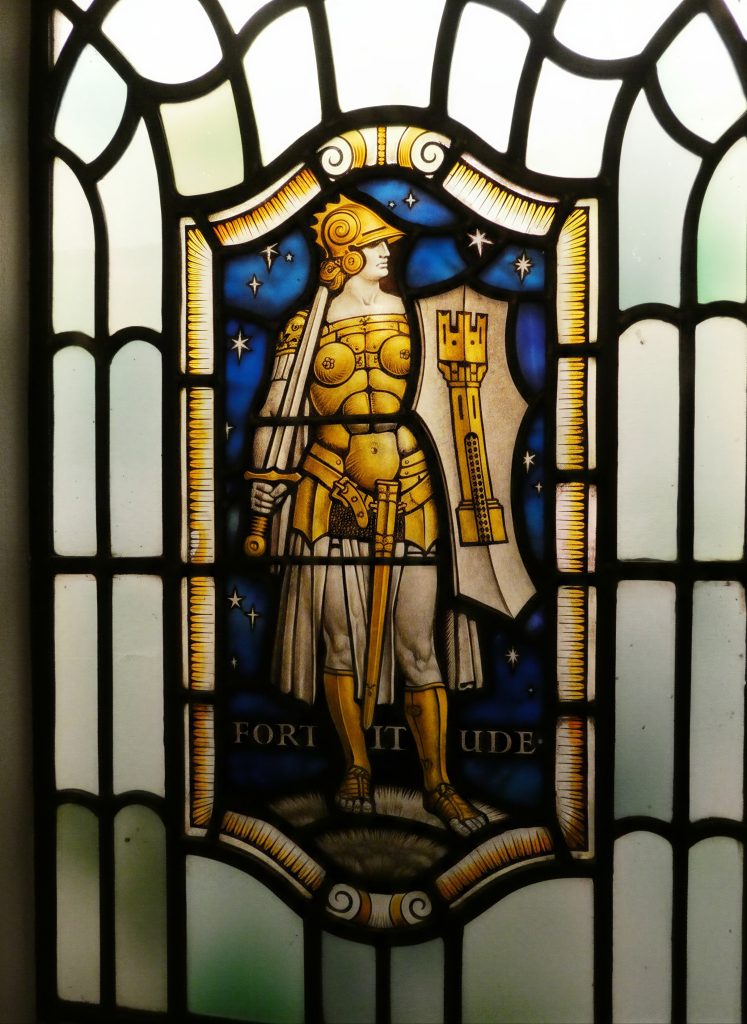
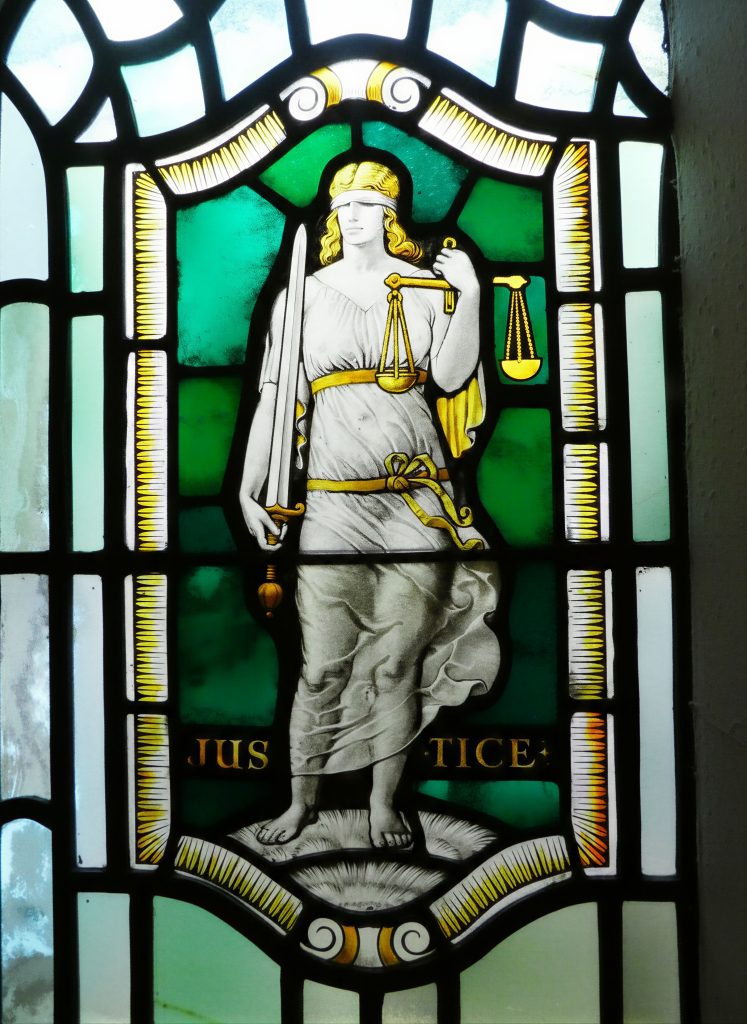
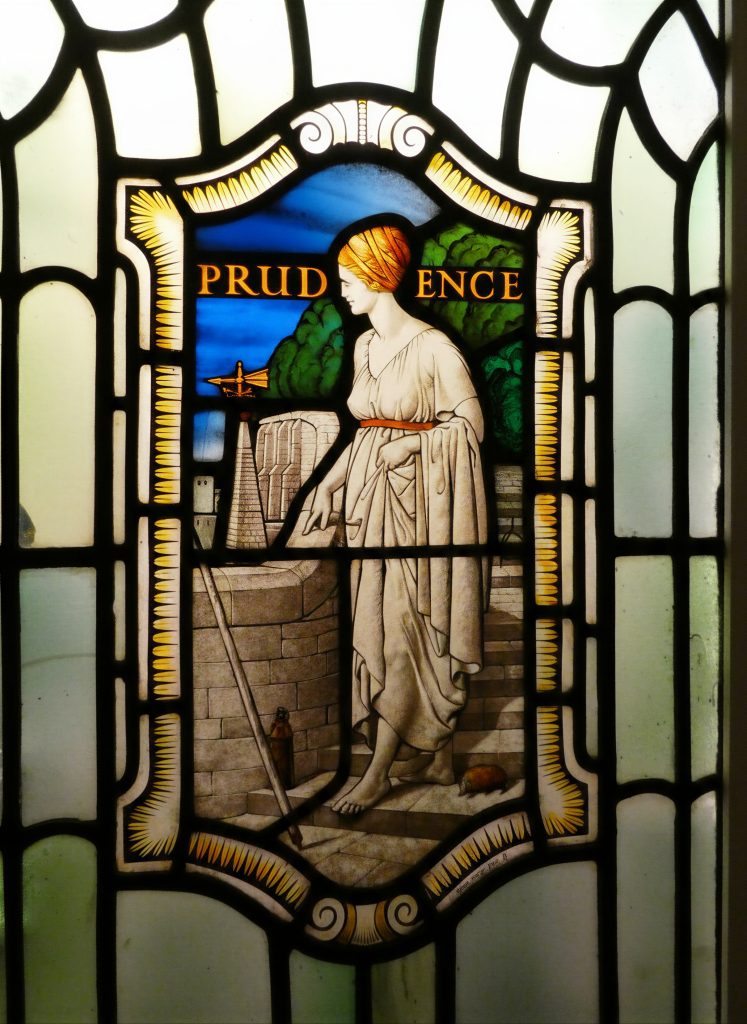
Charity (Philanthropy): Masons are well-known for their great charitable works, which mirrors the Christian call to serve the poor and the marginalized.
Proponents of Catholic Masonry argue that Masonry is a secular craft, not a religion. From this perspective:
There are no Rival Altars: Masonry does not offer sacraments or a path to salvation. It offers a moral framework for life on earth.
Religious Freedom: Post-Vatican II (1962-1965), the Church has placed a higher emphasis on the “right to association” and dialogue with the modern world.
The 1983 Code Confusion: When the Code of Canon Law was revised in 1983, the explicit mention of “Masons” was removed and replaced with a general ban on “. . . societies that plot against the Church.” Many interpreted this as a softening of the stance, provided the specific lodge isn’t anti-clerical.
While history has certainly witnessed its share of friction between the two institutions, Freemasonry is fundamentally designed to complement, rather than oppose, an individual’s religious life. The organization operates as a secular fraternal order focused on moral self-improvement and charitable works, explicitly prohibiting the discussion of sectarian theology or politics within its lodges to maintain harmony among diverse members.
Far from being an “anti-church,” Freemasonry requires its members to profess a belief in a Supreme Being, often referred to symbolically as the “Great Architect of the Universe,” which encourages a brother to be more steadfast in his own chosen faith. Many modern Masonic jurisdictions maintain friendly relations with various denominations, viewing the lodge as a “middle chamber” where men of different spiritual backgrounds can unite under shared ethical values like brotherly love, relief, and truth.
“May God bless our Brethren and may we continue to govern ourselves accordingly.”
