
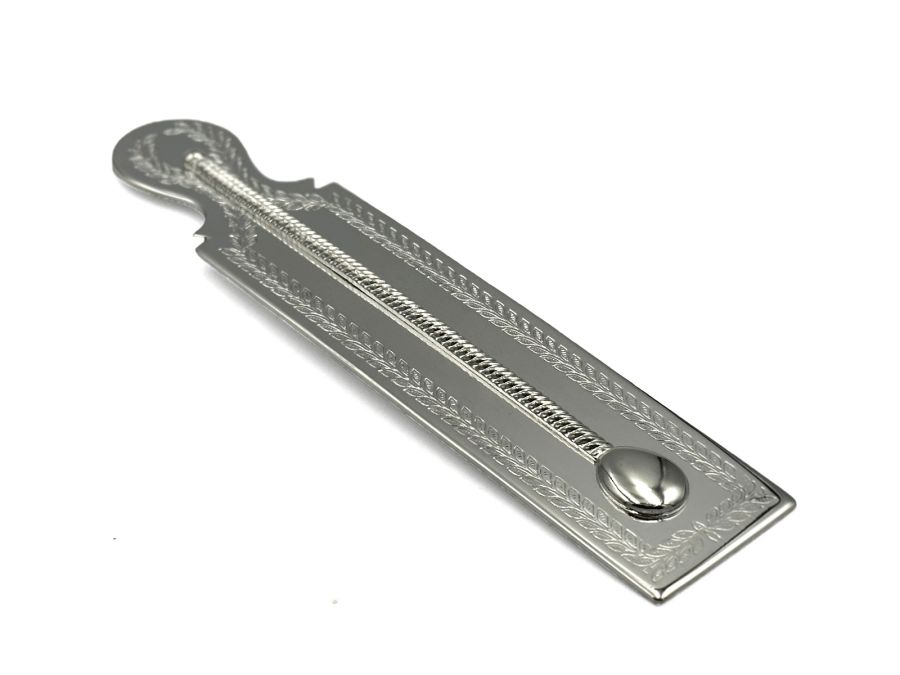
“To call the Lodge from labour to refreshment and refreshment to labour, that profit and pleasure may be the result.”
The office of Junior Warden is often misunderstood by those outside the Craft. Some may see it merely as a ceremonial office in the South, but within the symbolic structure of the Lodge, the office of Junior Warden carries with it, vital responsibilities in preserving harmony among the Brethren.
As well as being responsible for the admission of and entitlement of visitors, the Junior Warden is the guardian of balance. His badge of office is the Plumb rule, “an implement of uprightness”. The Junior Warden oversees the Brethren whilst the Lodge is closed, i.e. while at refreshment, ensuring that fellowship never descends into excess and that liberty is always guided by discipline. If the Worshipful Master rules and directs his lodge and the Senior Warden governs the Lodge whilst in labour, then the Junior Warden governs the lodge whilst at refreshment or rest and therefore protects the spirit of brotherly unity.
To occupy the South is to rule where the sun reaches its meridian — a symbol of maturity, energy, and measured judgment. The Junior Warden must therefore embody temperance, prudence, dignity and compassion.
SECTION I – Understanding the Office of Junior Warden
1. The Symbolism of the South
In Masonic symbolism, the South represents the beauty and fullness of the day. It is the point where the sun reaches its meridian and shines brightest, reminding the Junior Warden that his duty is to preserve warmth, fellowship and harmony among the Craft.
The Junior Warden teaches two important lessons; that freedom without discipline leads to disorder and discipline without kindness damages fellowship.
The true Junior Warden balances both.
2. The Pillar of Beauty

Beauty in Masonry is not physical appearance. It refers to:

• Harmony in conduct
• Grace in leadership
• Peace among Brethren
• Balance between work and rest
• Order within fellowship
The Junior Warden must therefore cultivate an atmosphere where Brethren feel; respected, welcomed, valued and united.
SECTION II
Duties and Responsibilities
1. Guarding the Craft at Refreshment

The traditional duty of the Junior Warden is known by all:
WM – Bro. Junior Warden. Your place in the Lodge.
JW – In the South, Worshipful Master.
WM – Your duty?
JW – “To call the Lodge from Labour to Refreshment and Refreshment to Labour, that profit and pleasure may be the result.”
This duty extends far beyond meals or social gatherings. It means:
• preserving dignity during fellowship,
• preventing divisions,
• discouraging gossip and conflict,
• promoting moderation,
• ensuring harmony among Brethren.
A wise Junior Warden understands that the spirit of the Lodge is often revealed not during ritual, but during refreshment.
2. Supervising Fellowship Activities

The Junior Warden frequently oversees:
• event nights,
• family activities,
• membership drives,
• charitable activities,
• festive boards,
• morale-building activities.
These moments strengthen brotherhood more deeply than many realise. A Lodge with good ritual but poor fellowship eventually weakens and a Lodge where Brethren genuinely enjoy one another’s company remains strong for generations.
3. Supporting the Worshipful Master
The Junior Warden must:
• support the programs of the Worshipful Master,
• maintain harmony among officers,
• assist in managing Lodge morale,
• encourage inactive Brethren,
• seek unity during disagreements.
He should never become a source of division, politics, or personal factions. The South must radiate calmness, not conflict.
4. Preparing for Future Leadership

The office of Junior Warden is, of course, part of the progression towards the Chair of King Solomon.
This role teaches:
• emotional maturity,
• diplomacy,
• patience,
• leadership through service,
• balance between firmness and compassion.
A Brother who cannot govern himself at refreshment will struggle to govern a Lodge in labor.
SECTION III
Practiced principles
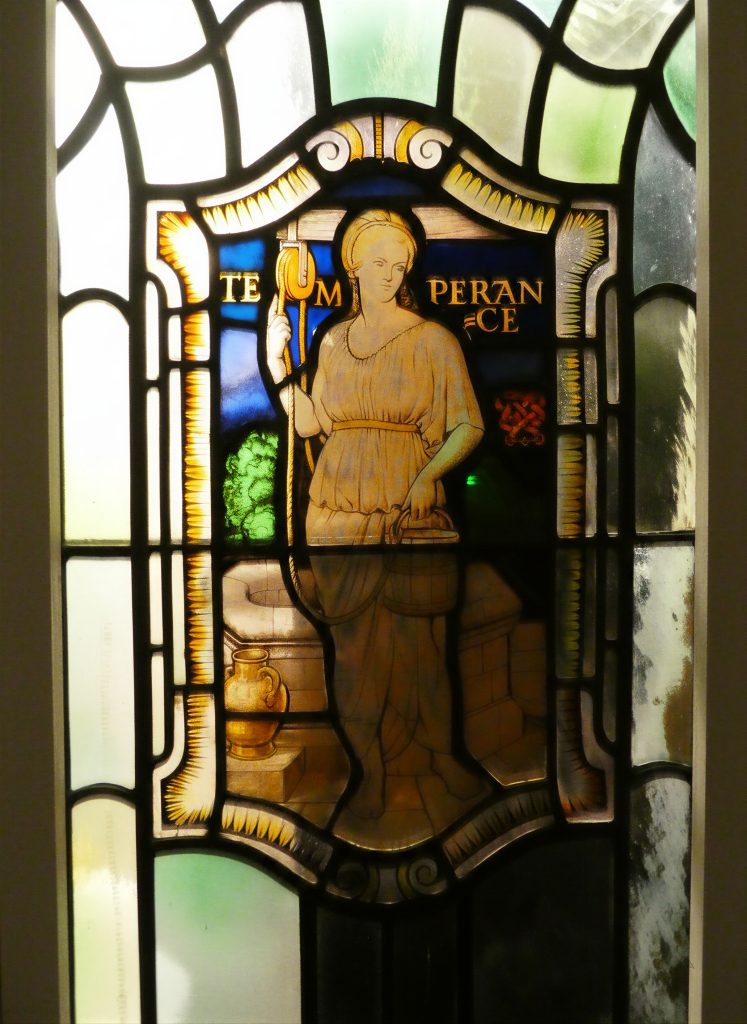
1. Temperance
Temperance is not merely moderation in food or drink. It is moderation in:
• speech,
• anger,
• ego,
• criticism,
• ambition.
A calm Junior Warden strengthens the entire Lodge.
2. Approachability
Many Brethren might feel confident to confide first in the Junior Warden because his station is closely associated with fellowship and personal connection. Listen carefully. Judge slowly. Encourage quietly. Remember that sometimes a Brother needs understanding more than instruction.
3. Avoid Gossip and Factionalism

Nothing destroys Lodge harmony faster than:
• cliques,
• hidden politics,
• careless words,
• personal rivalries.
The Junior Warden must never inflame conflict. Instead he should:
• reconcile differences,
• calm tensions,
• encourage unity.
A peacemaker serves the Lodge more than a critic.
4. Lead by Example During Refreshment
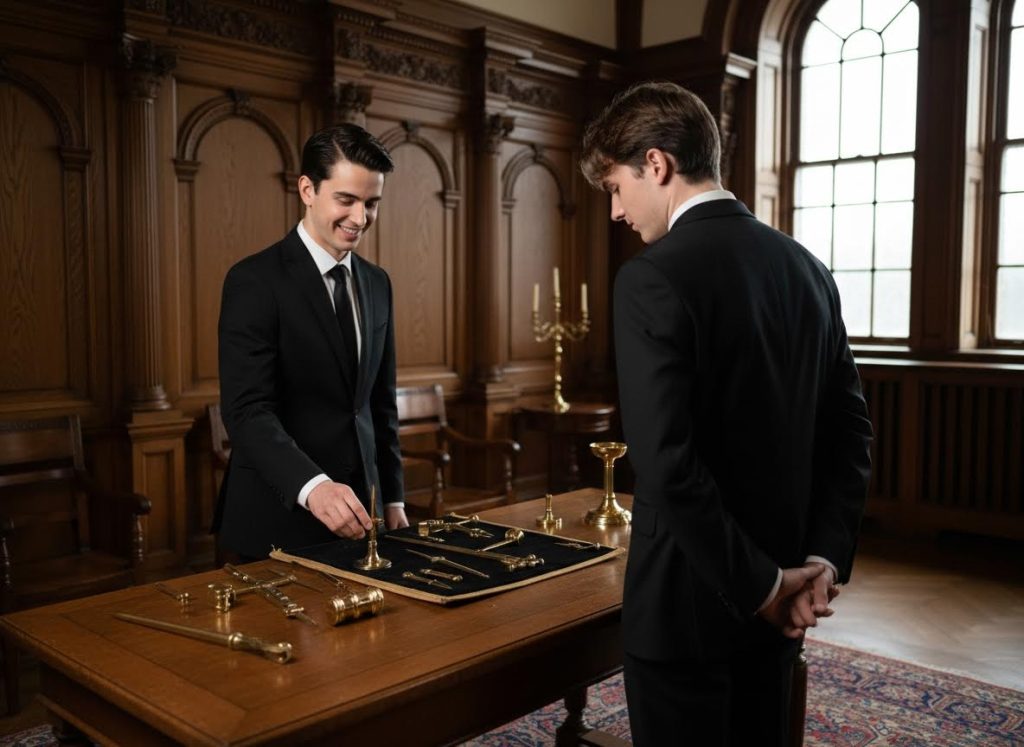
Brethren observe the conduct of officers constantly.
If the Junior Warden:
• acts respectfully,
• speaks with restraint,
• remains dignified,
• treats everyone fairly,
then the Brethren will naturally follow his example.
